Cybersecurity: A Comprehensive Guide for Beginners
1. Introduction to Cybersecurity
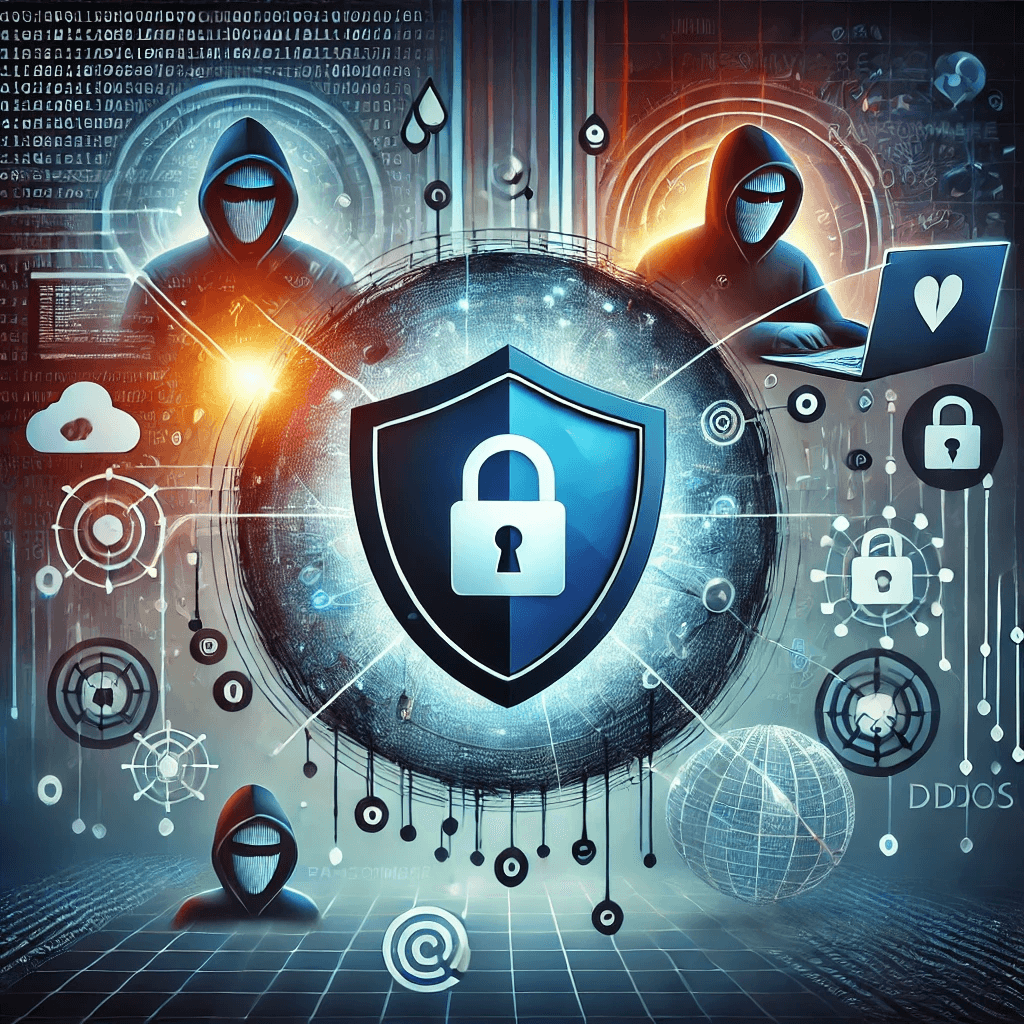
Imagine an employee working on her computer, unaware that a hacker is secretly stealing her company’s confidential data. This stolen information could be sold to criminals, leading to financial loss, reputational damage, or even a ransomware attack.
This isn’t just a scene from a movie—it’s a real-world threat that businesses and individuals face daily. Cybersecurity is the practice of protecting networks, devices, and data from digital attacks. With increasing cyber threats, cybersecurity has become a critical aspect of modern technology, ensuring privacy, security, and business continuity.
In this guide, we’ll explore the fundamentals of cybersecurity, common threats, protective measures, and career opportunities in this fast-growing field.
2. The CIA Triad: Core Principles of Cybersecurity
The foundation of cybersecurity lies in the CIA Triad:
- Confidentiality – Ensuring that sensitive data is accessible only to authorized users. Example: Encrypted communications.
- Integrity – Preventing unauthorized alterations to data. Example: Blockchain technology ensures data remains unmodified.
- Availability – Guaranteeing that systems and data are accessible when needed. Example: Protection against DDoS attacks.
These principles guide cybersecurity strategies, helping organizations defend against breaches and maintain trust.
3. Types of Cyber Threats and Attacks
Cybercriminals use various methods to exploit vulnerabilities. Some common attacks include:
A. Malware
- Viruses – Malicious code that spreads by infecting files.
- Worms – Self-replicating malware that spreads across networks.
- Ransomware – Encrypts data and demands payment for decryption.
B. Phishing & Spoofing
- Fraudulent emails trick users into revealing passwords or financial details.
- Fake websites impersonate legitimate ones to steal information.
C. Man-in-the-Middle (MitM) Attacks
- Hackers intercept communication between two parties (e.g., stealing login credentials).
D. Denial-of-Service (DoS/DDoS) Attacks
- Overloading a server with traffic to crash a website or service.
E. Password Attacks
- Brute Force – Trying every possible password combination.
- Keyloggers – Recording keystrokes to steal credentials.
4. Who Are Cybercriminals?
Not all hackers are malicious. Here’s a breakdown:
- Black-Hat Hackers – Cybercriminals who exploit systems for profit.
- White-Hat Hackers – Ethical hackers who help organizations improve security.
- State-Sponsored Hackers – Government-backed cyber espionage.
- Hacktivists – Attackers with political or social motives (e.g., Anonymous).
Understanding their motives helps in developing better defenses.
5. Cybersecurity Domains and Specializations
Cybersecurity is a broad field with multiple focus areas:
- Network Security – Protecting data in transit (firewalls, VPNs).
- Cloud Security – Securing cloud-based services (AWS, Azure).
- Application Security – Preventing vulnerabilities in software.
- Incident Response – Detecting and mitigating cyberattacks.
- Risk Management – Identifying and minimizing security risks.
Professionals often specialize in one or more of these domains.
6. How to Protect Yourself and Your Organization
A. For Individuals
- Use strong, unique passwords and enable multi-factor authentication (MFA).
- Keep software and devices updated to patch vulnerabilities.
- Avoid clicking on suspicious links or downloading unknown attachments.
B. For Businesses
- Implement firewalls, encryption, and intrusion detection systems (IDS).
- Conduct regular security audits and employee training.
- Develop an incident response plan for cyberattacks.
7. Careers in Cybersecurity
The demand for cybersecurity professionals is skyrocketing. Key roles include:
- Security Analyst – Monitors threats and implements defenses.
- Ethical Hacker – Tests systems for vulnerabilities.
- Chief Information Security Officer (CISO) – Oversees security strategy.
- Penetration Tester – Simulates cyberattacks to find weaknesses.
Top Certifications
- Certified Ethical Hacker (CEH)
- CompTIA Security+
- Certified Information Systems Security Professional (CISSP)
8. Conclusion
Cybersecurity is no longer optional—it’s a necessity. With cyber threats evolving daily, individuals and businesses must stay vigilant. Whether you’re looking to protect your personal data or build a career in cybersecurity, understanding these fundamentals is the first step.
Ready to dive deeper? Explore cybersecurity courses and certifications to become a part of this high-demand field!