Introduction
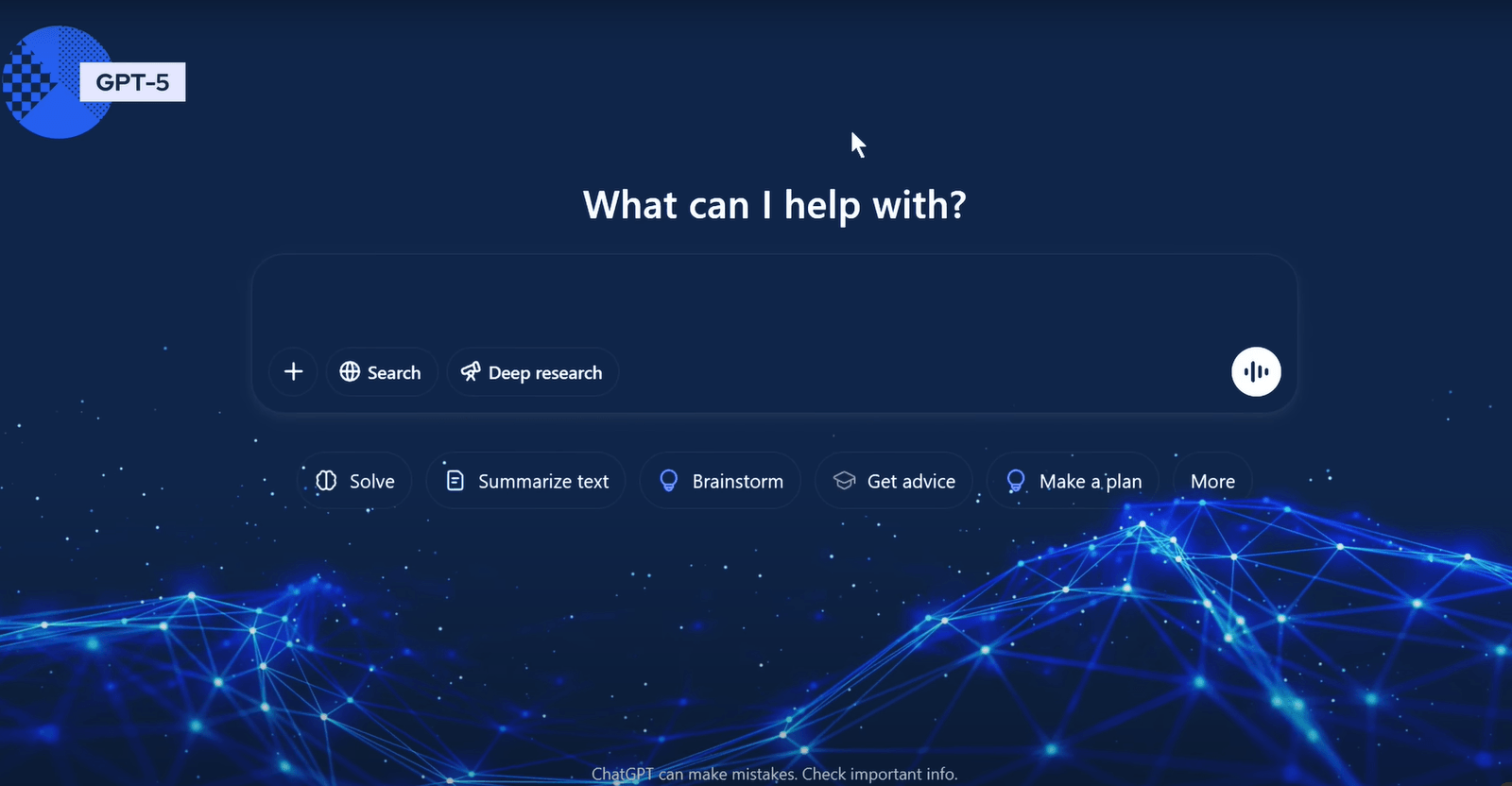
OpenAI’s GPT-5 is shaping up to be the most significant AI upgrade yet, merging the best of GPT and O-series models into a single, unified intelligence. Sam Altman has teased its arrival, hinting at groundbreaking improvements in reasoning, adaptability, and real-world usability.
In this post, we’ll break down:
- What GPT-5 will do differently
- How it changes the way we interact with AI
- Potential challenges OpenAI faces
- When we can expect its release

The Road to GPT-5: From GPT-4.5 to Unified Intelligence
GPT-4.5: The Final "Brute Force" Model
Before GPT-5, OpenAI released GPT-4.5 (codenamed Orion), which was:
- More conversational & emotionally aware than GPT-4.
- Less prone to hallucinations but still lacks step-by-step reasoning.
- A bridge between old scaling methods and the new chain-of-thought reasoning in GPT-5.

Why GPT-5 Is a Game-Changer
Sam Altman confirmed GPT-5 will: ✅ Merge GPT and O-series models into one unified system. ✅ Automatically decide when to think deeply or respond quickly. ✅ Integrate advanced reasoning (like Claude 3’s step-by-step logic). ✅ Eliminate the need for a “model picker”—one AI for all tasks.
GPT-5’s Expected Features & Capabilities
1. Multimodal Mastery (Text, Images, Audio, Video?)
- GPT-4 introduced image uploads, but GPT-5 may support:
- Voice conversations (like ChatGPT Voice Mode).
- Video analysis (though likely not full video generation).
- Seamless switching between text, speech, and visuals.

2. Smarter Memory & Personalization
- Longer context windows (possibly 1M+ tokens like Gemini 1.5).
- Persistent memory to recall past conversations and preferences.
- Custom AI assistants for different needs (work, creativity, fitness).
3. Autonomous Task Handling
- Proactive problem-solving (e.g., "I can check the web for updates").
- Integration with calendars, tools, and workflows.
- Real-time collaboration via OpenAI’s Canvas whiteboard tool.

Challenges OpenAI Faces with GPT-5
1. The Data Problem
- GPT-4 was trained on 13 trillion tokens—GPT-5 needs even more.
- High-quality data is scarce, forcing OpenAI to create synthetic datasets.
2. Training Costs & Delays
- Each training run reportedly costs $500M+.
- Early tests showed underwhelming results, requiring redesigns.
3. AGI Hype vs. Reality
- GPT-5 won’t be true AGI (self-aware AI).
- But for many users, it may feel like AGI due to its versatility.

When Will GPT-5 Launch?
- Expected release: Spring/Summer 2025 (possibly May-June).
- Potential delays due to training hurdles.
- Rollout may be gradual, with features added over time.
Final Thoughts: Is GPT-5 Worth the Wait?
GPT-5 isn’t just an upgrade—it’s a fundamental shift in AI: 🔹 One model for everything (no more switching between versions). 🔹 Smarter, faster, and more intuitive than ever. 🔹 Could redefine how we use AI daily—from work to creativity.
Want to stay ahead of the AI curve? Explore our AI courses at Requirement guide Artificial content and master prompting, tools, and more before GPT-5 arrives!

References
Artificial Intelligence content
Best open source remote desktop application## Introduction
OpenAI’s GPT-5 is shaping up to be the most significant AI upgrade yet, merging the best of GPT and O-series models into a single, unified intelligence. Sam Altman has teased its arrival, hinting at groundbreaking improvements in reasoning, adaptability, and real-world usability.
In this post, we’ll break down:
- What GPT-5 will do differently
- How it changes the way we interact with AI
- Potential challenges OpenAI faces
- When we can expect its release
The Road to GPT-5: From GPT-4.5 to Unified Intelligence
GPT-4.5: The Final "Brute Force" Model
Before GPT-5, OpenAI released GPT-4.5 (codenamed Orion), which was:
- More conversational & emotionally aware than GPT-4.
- Less prone to hallucinations but still lacks step-by-step reasoning.
- A bridge between old scaling methods and the new chain-of-thought reasoning in GPT-5.
Why GPT-5 Is a Game-Changer
Sam Altman confirmed GPT-5 will: ✅ Merge GPT and O-series models into one unified system. ✅ Automatically decide when to think deeply or respond quickly. ✅ Integrate advanced reasoning (like Claude 3’s step-by-step logic). ✅ Eliminate the need for a “model picker”—one AI for all tasks.
GPT-5’s Expected Features & Capabilities
1. Multimodal Mastery (Text, Images, Audio, Video?)
- GPT-4 introduced image uploads, but GPT-5 may support:
- Voice conversations (like ChatGPT Voice Mode).
- Video analysis (though likely not full video generation).
- Seamless switching between text, speech, and visuals.
-
2. Smarter Memory & Personalization
- Longer context windows (possibly 1M+ tokens like Gemini 1.5).
- Persistent memory to recall past conversations and preferences.
- Custom AI assistants for different needs (work, creativity, fitness).
3. Autonomous Task Handling
- Proactive problem-solving (e.g., "I can check the web for updates").
- Integration with calendars, tools, and workflows.
- Real-time collaboration via OpenAI’s Canvas whiteboard tool.
Challenges OpenAI Faces with GPT-5
1. The Data Problem
- GPT-4 was trained on 13 trillion tokens—GPT-5 needs even more.
- High-quality data is scarce, forcing OpenAI to create synthetic datasets.
2. Training Costs & Delays
- Each training run reportedly costs $500M+.
- Early tests showed underwhelming results, requiring redesigns.
3. AGI Hype vs. Reality
- GPT-5 won’t be true AGI (self-aware AI).
- But for many users, it may feel like AGI due to its versatility.
When Will GPT-5 Launch?
- Expected release: Spring/Summer 2025 (possibly May-June).
- Potential delays due to training hurdles.
- Rollout may be gradual, with features added over time.
Final Thoughts: Is GPT-5 Worth the Wait?
GPT-5 isn’t just an upgrade—it’s a fundamental shift in AI: 🔹 One model for everything (no more switching between versions). 🔹 Smarter, faster, and more intuitive than ever. 🔹 Could redefine how we use AI daily—from work to creativity.
Want to stay ahead of the AI curve? Explore our AI courses at Requirement guide and master prompting, tools, and more before GPT-5 arrives!
![Understanding Software Requirements: Complete Guide with 6 Key Topics [2025]](/_next/image?url=https%3A%2F%2Fapi-r.loopxcorp.com%2Fstorage%2Fposts%2F1753174347.jpg&w=3840&q=90)